Introduction
Electric vehicles (EVs) have been gaining massive popularity over the last decade, with many drivers switching from petrol-powered cars to embrace a cleaner, more eco-friendly future. One of the biggest selling points of EVs is the claim that they have lower maintenance costs compared to traditional petrol cars. But is that really true, or is it just a marketing myth?
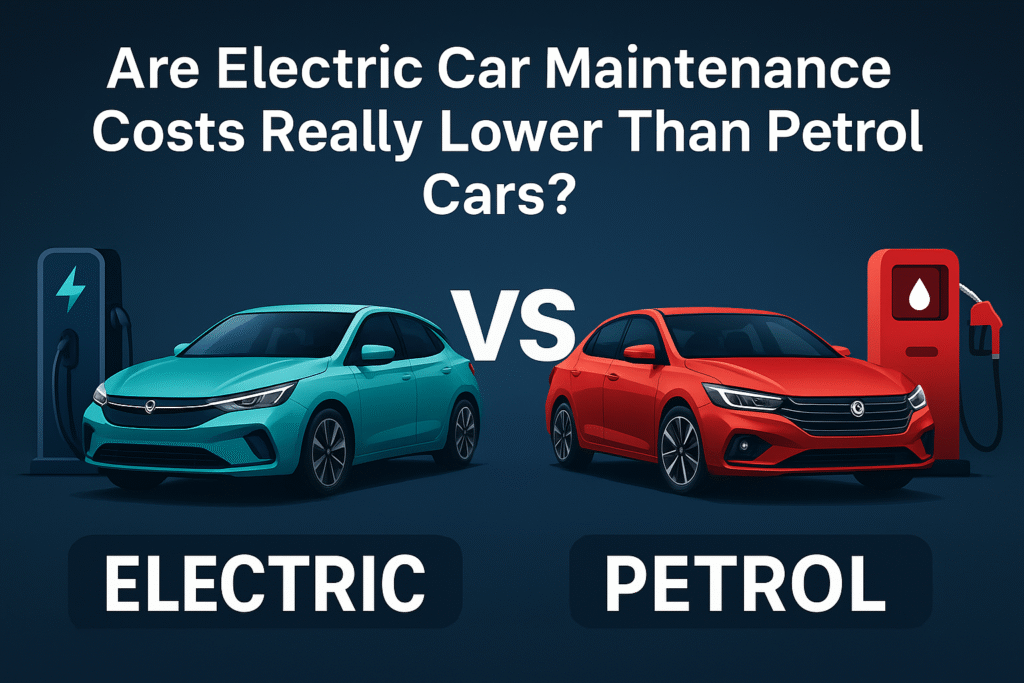
Let’s break it down by comparing Electric Car Maintenance Costs vs Petrol Cars to see if EV ownership truly saves you money in the long run.
How Maintenance Differs Between EVs and Petrol Cars
Petrol cars have hundreds of moving parts in their engines, transmissions, and exhaust systems, while EVs are powered by electric motors with fewer components. This difference in complexity plays a huge role in maintenance requirements:
Petrol Car Maintenance Includes:
- Regular oil changes (every 5,000–10,000 km)
- Engine air filters & fuel filters replacement
- Spark plugs & ignition system maintenance
- Transmission fluid changes
- Exhaust system repairs
Electric Car Maintenance Includes:
- No oil changes
- Minimal fluid replacements (coolant, brake fluid)
- Fewer parts prone to wear
- Battery and electric motor inspections
- Software updates
✅ Winner in simplicity: EVs – because they have fewer mechanical components to fail.
Breakdown of Maintenance Costs
Here’s a comparison of average annual maintenance costs for each type:
| Maintenance Item | Petrol Cars | Electric Cars |
|---|---|---|
| Oil & Filter Changes | $100–$300 | ❌ None |
| Spark Plugs Replacement | $100–$200 | ❌ None |
| Brake Pads & Rotors | $200–$500 | $150–$300 (last longer due to regenerative braking) |
| Transmission Service | $150–$300 | ❌ None |
| Coolant / Fluids | $50–$150 | $50–$100 |
| Battery Maintenance | ❌ N/A | $0–$200 (inspection only) |
| Unexpected Repairs | $300–$700 | $100–$400 |
💡 Estimated Annual Cost:
- Petrol Cars: $900–$2,000 per year
- Electric Cars: $300–$800 per year
Hidden Costs to Consider
While EV maintenance costs are generally lower, there are a few hidden costs that buyers should know about:
- Battery Replacement:
- EV batteries can last 8–15 years but replacement can cost $5,000–$15,000. However, most manufacturers offer long battery warranties.
- Insurance Premiums:
- EVs can sometimes cost more to insure due to higher repair costs for specialized parts.
- Charging Infrastructure:
- If you install a home charger, expect $500–$1,200 in setup costs.
Long-Term Ownership Savings
Over a 5–10 year ownership period, EVs can save thousands in maintenance costs compared to petrol cars. For example:
- 5-Year Maintenance Savings: ~$3,000–$5,000
- Fuel Savings: Depending on electricity vs petrol prices, you could save $500–$1,500 per year on fuel alone.
According to a 2024 study by the U.S. Department of Energy, EV drivers spend 40% less on maintenance over the lifetime of their vehicle compared to petrol car owners.
Conclusion: Which is Better for Your Budget?
If your goal is to reduce maintenance costs, EVs clearly have the advantage thanks to fewer moving parts, no oil changes, and reduced brake wear. However, you must factor in battery replacement risks and potentially higher insurance costs.
For most drivers, Electric Car Maintenance Costs vs Petrol Cars show EVs as the long-term winner — especially if you plan to keep your vehicle for more than five years.