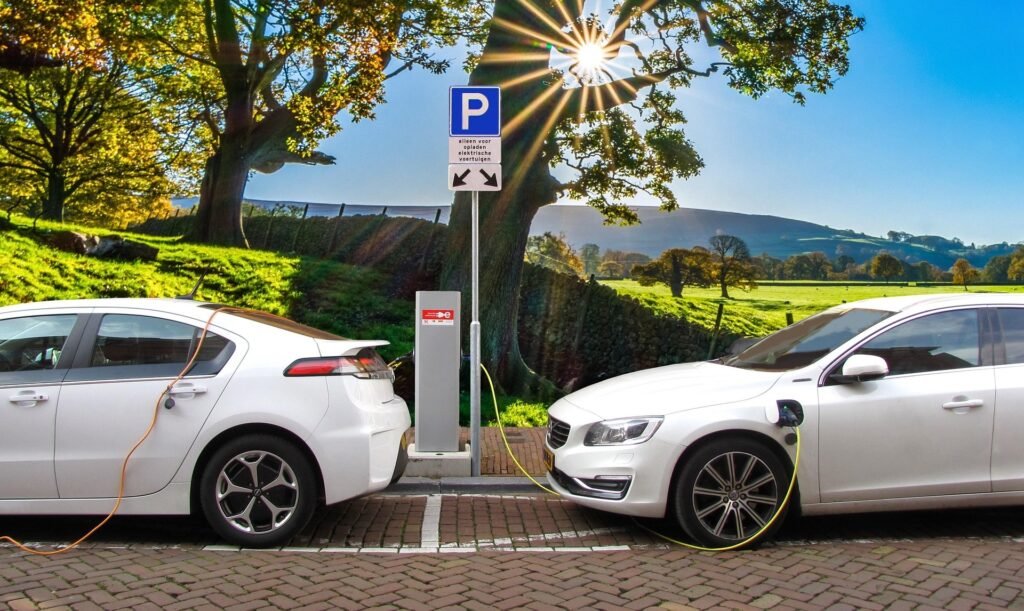
As electric vehicles (EVs) become increasingly popular, understanding how to charge them effectively at home is crucial. Home charging provides convenience, saves money, and ensures your EV is always ready to go. This ultimate guide covers everything you need to know about setting up home EV charging, choosing the right equipment, and optimizing your charging experience.
🔌 1. Types of Home Chargers
There are two primary types of home EV chargers: Level 1 and Level 2.
✅ Level 1 Chargers
- Uses a standard household outlet (120 volts)
- Charging speed: Slow (2–5 miles per hour)
- Ideal for short-distance drivers or plug-in hybrids
✅ Level 2 Chargers (Recommended)
- Requires dedicated 240-volt circuit (similar to a dryer outlet)
- Charging speed: Fast (20–60 miles per hour)
- Ideal for most EV owners and daily driving
For most EV drivers, a Level 2 charger is the best choice, providing faster and more convenient charging.
⚙️ 2. Selecting the Right Home Charger
Choosing the right EV charger depends on your vehicle, budget, and charging needs. Consider these factors:
- Power Output: Choose at least a 7.2 kW charger for fast charging.
- Smart Features: Chargers with Wi-Fi allow scheduling and monitoring from your smartphone.
- Cable Length: Ensure the charger’s cable reaches comfortably from your outlet to your vehicle.
- Durability: Choose a weather-resistant charger if installing outdoors.
Popular Level 2 home chargers include Tesla Wall Connector, JuiceBox, ChargePoint Home Flex, and Wallbox Pulsar Plus.
🏡 3. Installation and Costs
Installing a Level 2 charger typically requires professional assistance.
- Electrical Requirements: Most homes require a dedicated 240-volt circuit installation by a licensed electrician.
- Installation Cost: Typically ranges from $500 to $1,500 depending on your home’s electrical setup.
- Charger Cost: Level 2 chargers typically cost between $400 to $800.
Always consult with a certified electrician to ensure safe and efficient installation.
🌙 4. Optimal Charging Practices
Optimizing your home charging experience can prolong battery life and save money.
- Charge During Off-Peak Hours: Use off-peak electricity rates (usually nighttime) to save money.
- Maintain Optimal Battery Levels: Regularly keep your EV battery charged between 20% and 80% to extend battery health.
- Use Smart Charging Features: Schedule charging sessions to minimize electricity costs and prevent battery degradation.
🚗 5. Safety and Maintenance Tips
Proper charger maintenance and safety practices ensure reliability and prevent hazards.
- Regularly inspect your charging equipment for wear or damage.
- Keep the charger clean and dry to avoid electrical issues.
- Schedule annual inspections with a certified electrician to ensure continued safety and optimal performance.
🌱 6. Benefits of Home Charging
Charging at home provides numerous advantages over public charging:
- Convenience: Charge your EV overnight and wake up with a fully charged vehicle every day.
- Cost Savings: Home electricity rates are typically cheaper than public chargers.
- Time Savings: Eliminate trips to charging stations, saving valuable time.
🏁 Conclusion
Setting up a home charging station for your EV offers unparalleled convenience, cost savings, and efficiency. With the right charger, proper installation, and optimal charging practices, you’ll enjoy seamless electric driving every day. Embrace home charging to make your EV ownership experience easy and enjoyable.