Introduction
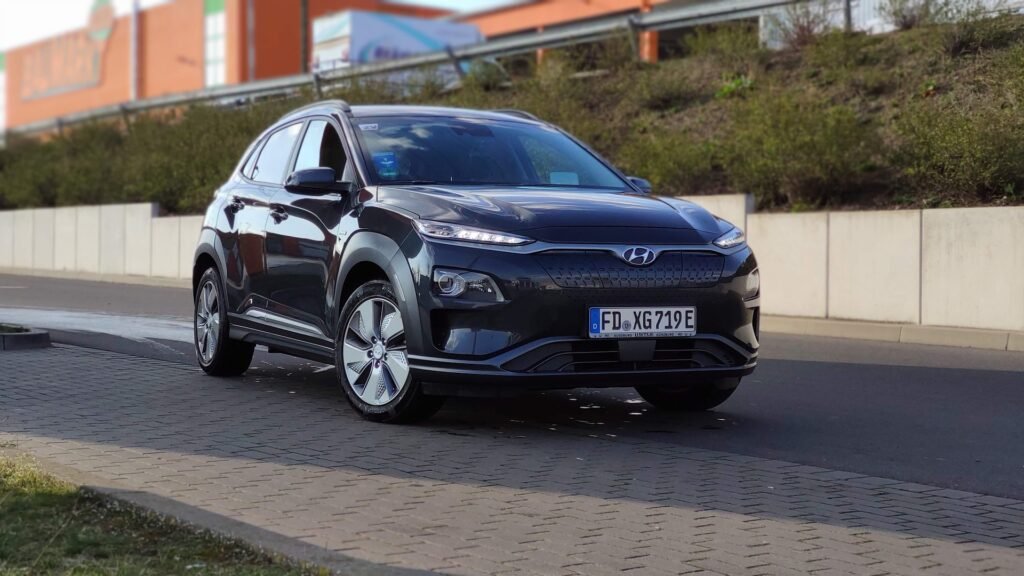
Electric vehicles (EVs) are no longer just a futuristic concept — they’re here and revolutionizing transportation around the world. But the EV story is far from over. Over the next five years, we’ll see exciting new trends and technologies that will make EVs even better, more affordable, and more mainstream. Here are five key EV trends to watch between now and 2030.
1️⃣ Solid-State Batteries Will Change the Game
One of the most anticipated breakthroughs in EV technology is the arrival of solid-state batteries. Unlike the lithium-ion batteries used today, solid-state batteries use a solid electrolyte, making them safer, faster-charging, and longer-lasting.
✅ Faster charging — up to 80% in 10–15 minutes
✅ Increased range — over 500 miles per charge
✅ Enhanced safety — reduced risk of fire and overheating
Several automakers are already testing prototypes, and solid-state batteries are expected to hit the market within the next five years.
2️⃣ EV Prices Will Keep Dropping
One of the biggest barriers to EV adoption has been their higher upfront cost compared to gasoline cars. However, as battery production becomes more efficient and economies of scale kick in, EV prices are expected to become even more competitive.
✅ Affordable EVs under $25,000
✅ Wider availability of budget-friendly models
✅ More government incentives and tax credits
By 2030, EVs could reach price parity with internal combustion engine cars in most markets.
3️⃣ Fully Autonomous Driving Is Coming Closer
Autonomous driving technology is advancing quickly, and EVs are at the forefront of this trend. Over the next five years, we can expect to see more EVs equipped with advanced driver-assist systems and even fully autonomous capabilities in select models and regions.
✅ Level 4 autonomous driving trials already underway
✅ Safer, more efficient driving
✅ Potential for autonomous ride-sharing fleets
4️⃣ Charging Infrastructure Will Expand Rapidly
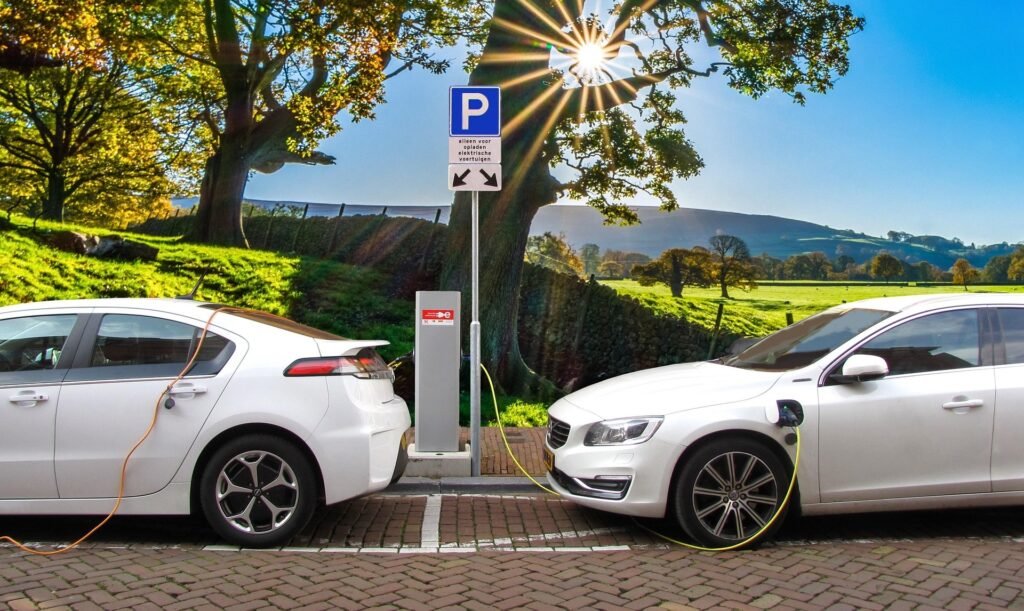
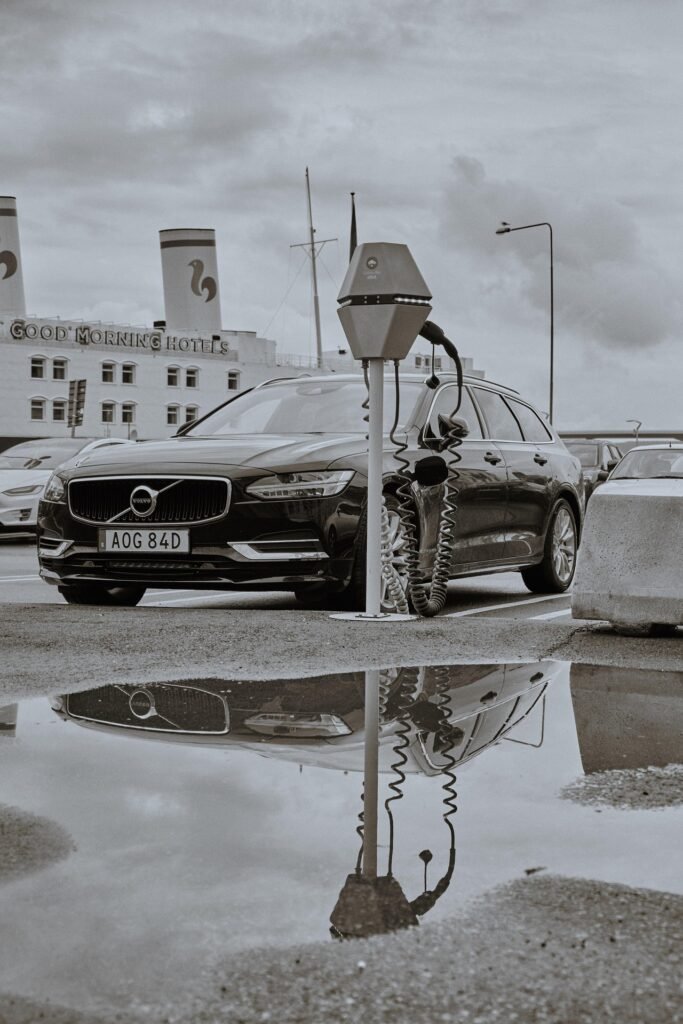
As more people switch to EVs, the demand for fast, accessible charging will grow. Governments and private companies are investing heavily in expanding public charging networks and developing faster charging technology.
✅ More ultra-fast chargers in cities and highways
✅ Wireless charging pads in parking lots and homes
✅ Better integration with renewable energy sources
By 2030, charging your EV could become as convenient and quick as filling up a gas tank.
5️⃣ EVs Will Become Mainstream Globally
Over the next five years, EVs are expected to become the standard in many markets, particularly in Europe, China, and North America. More automakers are pledging to go all-electric within the next decade, and sales of gasoline vehicles will continue to decline.
✅ EV market share expected to exceed 50% in many countries
✅ Wider variety of models — from compact cars to heavy-duty trucks
✅ Cultural shift toward sustainable transportation
Conclusion
The next five years promise to be transformative for electric vehicles. With advancements in batteries, lower prices, autonomous driving, better charging infrastructure, and widespread adoption, EVs will soon become the default choice for millions of drivers. The future of transportation is clean, efficient, and electric — are you ready to be part of it?